

Personal experiences and reflections on life and the world in a time when no one reads or writes anything
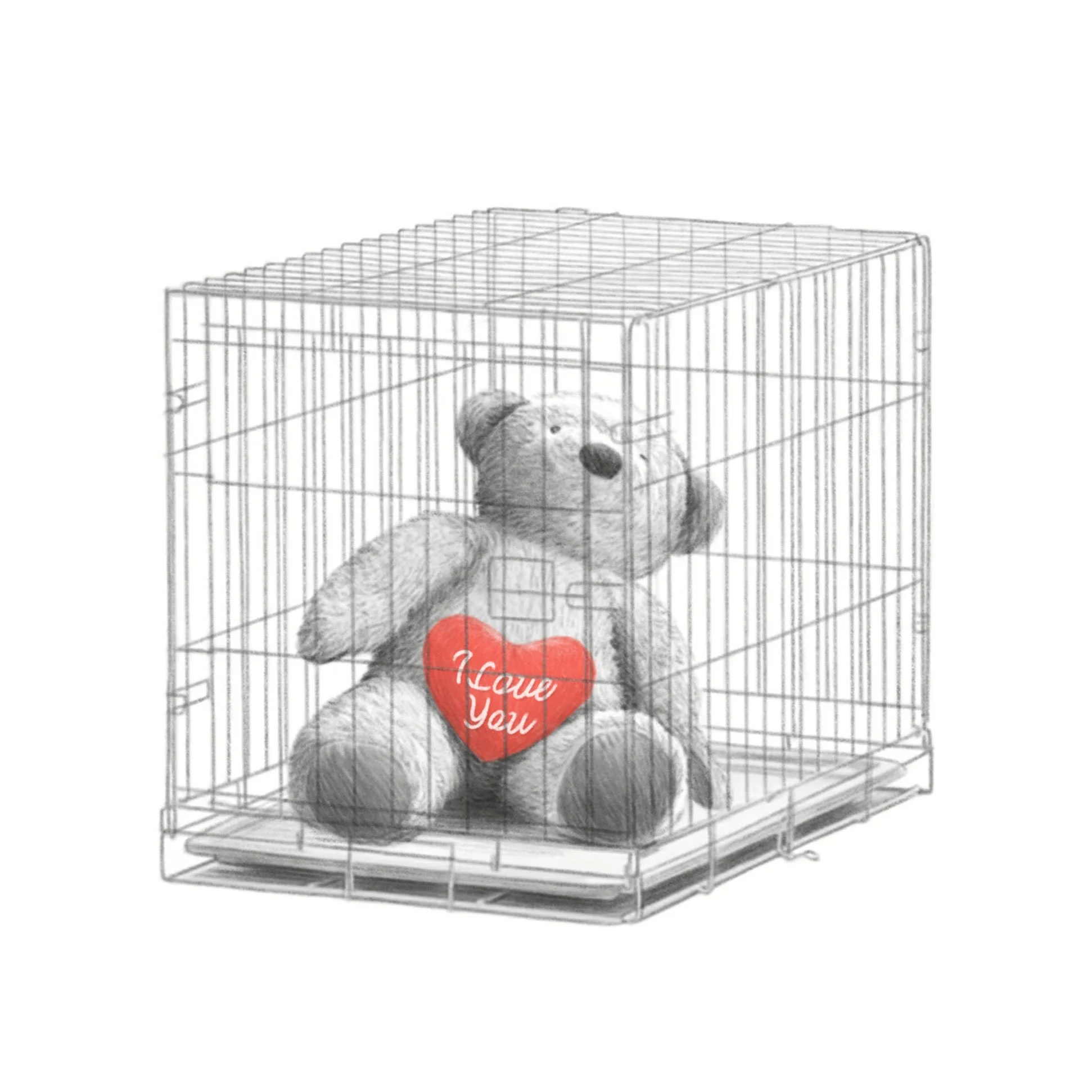
The Animal Rescue Power Trip
Last Christmas my cat of 14 years passed away suddenly from a rare lung cancer that metastasized to her paws. Once she started showing symptoms, we were told we would have a few months left with her, but it turned out to be far less. In a heartbreaking turn of events, our sweet girl passed away just a few short weeks later. My husband and I were devastated as we had adopted our cat, Millie, only weeks after I graduated college in 2012, a month before we moved to New York City and started our life together. We found her on Craigslist, going by the name, Bobby Socks. She had been up on the site looking for a home for a few months and no one had been serious about adopting her, most likely because she had some issues with her teeth that would need to be addressed. A few days after we met her, she was handed over to us in a cat carrier with $40 cash to cover her spay procedure. It was an easy serendipitous situation that felt like we must have been in the right place at the right time.
Before we found Millie on Craigslist that fateful day, we had made a trip to the local SPCA. I vividly remember walking around their facility looking at all the cats, and when we went to fill out an application, we were told that we wouldn’t be eligible for adoption since we weren’t married. We were also 24 and 25 at the time, intending to move to NYC, all of which were reasons for them to not consider us as serious adopters. I remember thinking how heartbreaking it would be for me to get emotionally attached to an animal just to be told I couldn’t adopt them, and I realized the shelter / rescue trajectory wasn’t a good match for my sensitive emotional state. It didn’t matter that I was ready and able to take on the responsibility of caring for an animal; I didn’t check their many obscure boxes. Under the strain of red tape, we turned to Craigslist where there were hundreds of cats listed for adoption. When we found Millie, we gave her a loving stable home where she was spoiled and loved for 14 years until she passed away in my arms.
Things Have Changed
When we were finally ready to look for a cat to bring into our home after Millie’s passing, I scoured the internet to find that things had changed quite a bit since the last time we had looked for a pet in 2012. Craigslist was dead, giving way to Facebook Marketplace for buying and selling used items, however Facebook Marketplace doesn’t allow listings for animals as they can’t be sold on their platform. Both sites were littered with scammers trying to collect payment for animals before having an opportunity to see them in person. Instead, we kept an eye on the big adoption sites like Adoptapet and Petfinder, used by small rescue groups to post their available animals for adoption. We were looking for a cat with a similar loving, intelligent personality to Millie, who was a Maine Coon mix. I knew it would be difficult to find one as pure breads are generally sold by breeders for thousands of dollars, but I was determined to adopt rather than support a breeder’s operation.
Even though we watched these sites daily and filled out applications as soon as the right cats became available, we were rejected 7 times in a row over 3 months all for different reasons, not including the applications we submitted and never heard about again. After crying more than I care to admit after already having to process the loss of my cat, I concluded that rescue groups are on quite a power trip. These organizations all have unregulated arbitrary processes for deciding who gets an animal and who doesn’t; their requirements questionable and sometimes even discriminatory. Their strict policies for adoption make it difficult for people to adopt animals that can end up languishing in shelter cages sometimes waiting years to find a home, if they ever do. In my state of frustration I found many corroborating stories on Reddit that mirrored my own experiences; some sharing about rescues that asked to see prior vet records, proof of residence, tax documents, proof of employment, several non-relative references, asking about disabilities, and requiring up to 5 unannounced visits to the household by their volunteers.
Lack of Human Connection
I can understand that these strenuous attempts to filter out people who wouldn’t be the best caretakers are to make sure the animals are not returned or neglected. Despite several attempts to make contact with these rescue groups over the phone and by email, they were reluctant to respond back to me, often citing that they work with volunteers who don’t have time to respond to messages. I find it particularly troublesome that these groups would rather throw away applications that don’t check every generic box rather than take a bit more time to properly vet people through real human interactions in order to make sure to meet their goal of successfully adopting animals. In one story I saw on Reddit, a person was prevented from adopting a dog that then sat at the rescue for a heartbreaking 2 years because the rescue volunteers thought they would be better suited for a smaller breed. Ironically, shelters’ lack of humanity in having real nuanced conversations with people about their capacity for care results in the suffering of animals who are unable to be adopted due to the strict black and white rules these organizations justify under the guise of doing what’s best for the animal.
The Myth of Single Kitten Syndrome
One obstacle that made it difficult to adopt was a common requirement I saw at most rescues that kittens under a year must be adopted in pairs to avoid “Single Kitten Syndrome”; a set of behavioral issues that arise when the kitten has not been properly socialized with their littermates or other adult cats to teach them valuable social skills and boundaries. Fortunately, this socialization period is covered in the typical 12-14 weeks required for a litter to stay together with their mother. However, for some reason rescues have extended this time period to a full year, even though Single Kitten Syndrome is widely considered to be a myth, as there is no conclusive scientific evidence to prove that solitary kittens develop behavioral problems past the recommended 14 weeks of socialization.
Unfortunately, there were plenty of situations where we were required to adopt 2 cats at once even though we were only interested in one at a time. We had one cat for many years and never had a problem with her behavior. In fact, a lot of the issues that people have coined, Single Kitten Syndrome, could be explained by the fact that young cats like to play and have a lot of energy regardless of a person’s 9-5. People leave their kitten home alone all day and wonder why they’re running around wanting to play all night. Fortunately, my husband and I both work from home and have lots of time to devote to any animal in our care during the day as our household is quite literally centered around our cats. Sadly, when we took the time to explain this, we weren’t listened to — If we weren’t interested in adopting 2 kittens together, our applications were automatically denied.
Required Vet Records
While I can understand that rescues want to see that you have established a certain standard of care for your previous pets, there was something invasive about them looking through all the decisions we had made for our cat without any context of the medical issues she was dealing with at the time. Even though they were most interested in her vaccination records, we were unable to supply them as her previous vet had gone out of business and years of her medical records were lost. No matter how detailed of an explanation we gave them in addition to scanned copies of her first vaccinations, we were denied adoption for not being able to supply full veterinary records for a cat that had already passed away, which felt so defeating and unfair. A simple conversation with us could have given context to what had happened, but instead my emails went unanswered by several organizations.
Outside Cats
I personally like to keep my cats inside because I’m something of a control freak — I couldn’t imagine anything bad happening to my cat at the hands of other humans or another animal. However, I’ve always had guilt about keeping cats inside when they were born to hunt and prowl outdoors. There are plenty of ways to bring your cat outside while keeping them safe, like on a leash, supervised in a fenced yard, or in an enclosed catio, but many of the rescues I applied to forbid any of these creative solutions and demanded that any of their cats be kept exclusively inside. Any hint of a catio or a fenced yard in your application would result in it being thrown out, which seemed extremely closed minded.
One of my many applications was denied because when they called my vet, they shared records for another cat we had brought in for care who we found outside. This cat was abandoned by a family who lives across the street from us, and I noticed that she was crying at night and sleeping on a neighbor’s porch. Over the course of a summer, I began feeding her and noticed there was an open wound on her ear, so I took her into the vet to have her looked at and checked her microchip to see who she belonged to. It turned out that her previous family had put this elderly cat outside to fend for herself. She had many health issues, as well as cancer on her ear that could not be treated or removed. Although we couldn’t bring her inside, we did the best we could to create a comfortable home for her in our garage and fenced yard, and took care of her for the last year of her life until she passed away. No rescue or sanctuary we contacted would take her in due to her poor health. For this act of compassion, we were denied yet again for adoption because this cat lived outside.
Arbitrary Travel Rules
Since we were looking to adopt a specific kind of cat, we were open to traveling several states away. Three different times our applications were denied due to distance, even though the rescues had written on their websites that they were open to out-of-state adoptions. In New York, there was a case of animal abuse where 120+ Maine Coon cats were rescued from a hoarder situation at a breeder’s house. The cats were malnourished, with a myriad of health issues, and housed in tiny cages where there was barely enough space for a litter box and their food. The cats were taken in by local rescues, and I was in contact with one of the directors about a specific sweet girl, Onyx. After we were thoroughly vetted, and had donated over $300 for some of Onyx’s medical treatments that the rescue couldn’t afford, they let us know that we were too far away and that we should look elsewhere for a cat. In my lengthy conversations with the director, she never mentioned distance being an issue until days after we had spent hours answering all of her questions. Sadly, I later saw that Onyx was adopted by a couple who promptly put her on a plane in order to get her home — Clearly distance was only an issue arbitrarily.
The Ethics of Knowing What you Want
Most people will read this and be shocked that it was so hard for me to find a cat — All they had to do was run to PetSmart during an adoption event and they were able to take an animal home that day. The main difference is my sense of selectiveness: I knew exactly what I was looking for. It’s not even that it was that hard to find Maine Coons or mixes; I found several, but the answer I received from rescues when I followed up with calls, emails, and questions was, “Why can’t you just find a cat in your area?” or my favorite, “You never met this cat and you never had any bond with her, I didn't think it was a big deal”. It’s hard for me to believe that these words came from people who supposedly love animals so much that they alone know what’s best for them. It’s clear to me that they certainly don’t have the capacity for the kind of connection I have when I meet or see an animal that I adore.
For some reason there’s a general attitude about adopting that you should be happy to adopt any animal in need of a home — It’s become a question of morality that you’re not a true animal lover if you have any requirements for what kind of pet would be best for your lifestyle. Is this also how people are choosing their life partners? Because, if so, that would make a lot of sense. Personally, bringing an animal into my home is a huge commitment that I don’t take lightly. There will be some people who know exactly what they’re looking for and others that are receptive to whatever comes their way. Neither are right nor wrong, people are just different.
I wish that my experiences with rescues were singular, or some random chain of unfortunate events that I could look back and laugh about. Unfortunately, almost every person I shared my stories with had some of their own. There were people denied for having young kids, living on a farm, people who had never had a dog before, but also people who went too long to get a new dog after their last one had passed. There were also the unenforceable contracts they had people sign that required vetting of all future partners by the rescue if you were single, or in one bizarre case where the adopter was told they must return the body of their pet to the rescue after death for a postmortem examination. It certainly seems that rescue groups around the country are doing a great disservice to animals and the people who are looking to give them a loving home with their arbitrary rules and misplaced sense of authority. Sadly, instead of finding homes that meet their stringent rules of safety for animals, in actuality they’re fostering a lack of trust and honesty with people who are looking to adopt. After all, strict rules are effective at creating masterful liars.
I know everyone likely thinks they know what’s best for their pets — I’m not sure there’s more to it than treating them like your family, feeding them the best food you can afford, and spending time playing and talking to them. Maybe these rescues would have understood how seriously I take my role as caretaker had they bothered to have a human interaction with me; a conversation where they could ask me questions and hear the sincerity in my voice. Instead, they chose to filter me out through generic applications, one after another. It was impossible to reach them so far up on the mountainous peaks of their moral high ground.
After being denied for so many cats, after hours and hours of searching and filling out applications, following up, sending emails, making phone calls, arguing, advocating, and then crying when things didn’t work out time after time...I decided I’d had enough of trying to adopt through rescues. I saw a photo pop up for an adorable calico Maine Coon kitten from a breeder whose adoption had fallen through, and I decided to put a deposit on her. Fortunately, this breeder is a former vet tech, and puts a lot of love and care into her cats — my experiences with her have been a breath of fresh air in juxtaposition to my many interactions with rescues and shelters. I never thought I would go against my “adopt don’t shop” mantra, but ultimately, when the doors kept slamming in my face, I chose a path of less resistance.
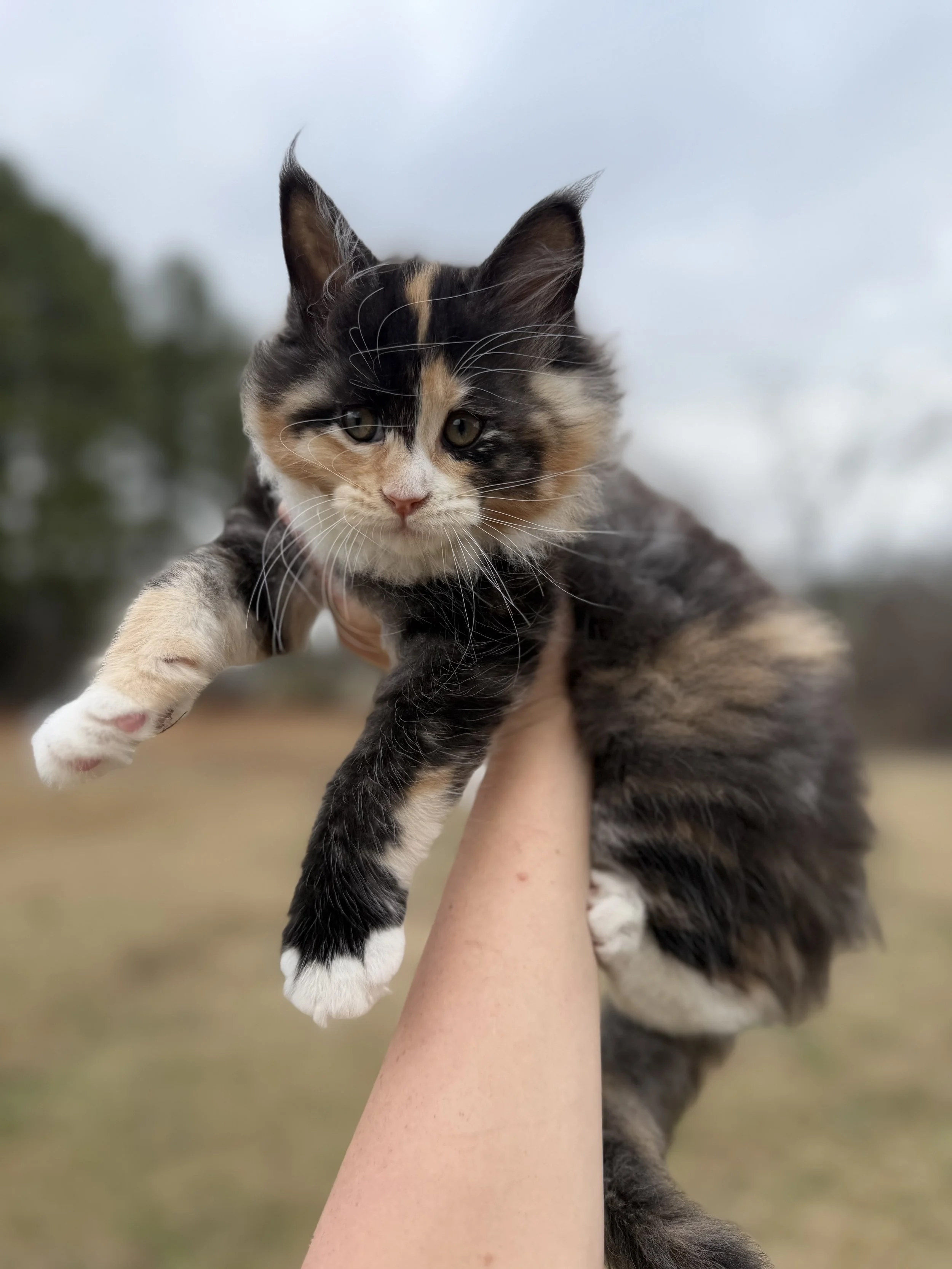
Our new cat, Miriam, “Miri” will be coming home on March 31st, and we couldn’t be more excited for a new start with her.