

Personal experiences and reflections on life and the world in a time when no one reads or writes anything
Fuck Social Media
Last year I decided to delete all my social profiles (Facebook, Instagram, and Twitter). I noticed how over the years, my feed was slowly being filled with ads, news, and influencer content that I wasn’t particularly interested in seeing. Gone were the days of making friendly connections with other creatives, networking, and promoting my artwork. Even more recently, I noticed certain words I used would hide my account from my followers for days — That feeling of censorship was the last straw for me. I wouldn’t be complaining into a void, I was tired of feeling like a victim of the system. One day I decided I would delete the whole damn thing: every profile, every post. Deactivation wasn’t enough, I needed it gone for good.
Looking back, I realize how much had changed from the early days when sharing art, ideas, writing, and jokes was so fun; When friends were actually able to see each other’s posts. Things had taken a turn, and being on social platforms felt more like an obligation to keep up with, one with a nagging feeling of failure after posting and receiving no interest, no love, no conversation. When seeing the comment sections on other posts, there was a lot more fighting and bullying. Monetization, algorithms, and politically charged anger made these spaces virtually unrecognizable. Overall the experience had a stark flavor of negativity and competition rather than the inspiring camaraderie that I had experienced in the past.
Algorithmic Control
With the rise of algorithms deciding what is most interesting to the viewer, it leaves little room for original thought or ideas that actually challenge people. Feeds get filled with inoffensive content like yarn art, cute dances, and viral products, but not much that sparks deep thought or reflection on anything of actual substance. Algorithms feel like a mechanism for control — in order to be successful you must make content that serves the algorithm’s ultimate desire to keep people on the platform, feeding the business of attention. Ultimately, this encourages the homogenization of groups and aesthetics — Everything starts to look, sound, and be the same.
Hyper trends give people a very specific image or persona to try on, and it’s always changing and encouraging the individual to buy more to keep up at a rapid pace. The marketplace uses these algorithms as a trap for those with low self-worth and a lack of identity. In the book, Careless People, Sarah Wynn-Williams shares that Facebook has been engaged in capitalizing on young teen’s vulnerable states, targeting ads to young girls when they deleted a post or typed messages using certain words in their private chat that suggested they were in a low-emotional state. Targeted words included, “insecure, stressed, defeated, anxious, stupid, useless, like a failure”. The predatory use of algorithms to shape youth activity on social media has had far-reaching social impacts that we likely won’t understand the full consequences of for years to come.
From Social Connection to Monetization
Social media is no longer social, it’s a place for commerce; For you to be sold or to be sold to. While we were innocently sharing our selfies and our breakfasts with friends and family, we had been frogs in a slowly boiling pot of monetization and algorithms. Once Facebook acquired Instagram, it went from a creative space for artists and photographers to share their work, to paid ads selling products and lifestyles through insanely curated images of people’s staged lives; A place to play on your insecurities to get you to be “influenced” as a buyer.
Average people are now competing against news networks, and highly produced content from brands and influencers, which makes them less inclined to post or interact. These social media spaces have become more about passively consuming monetized content and being served ads in between. The experience is much closer to watching tv than engaging in a social environment — Sadly, social media has morphed back into just more media.
Political Influence
When I deleted my Facebook profile, I went through every single post I had ever made or received and deleted them one by one. This gave me a unique opportunity to see how the tone of the platform had shifted so dramatically since I signed up in 2006. I watched through the years as funny little temporary statuses that were posted to fellow students, changed to sharing life updates with family members as the platform was opened to the general public. Soon after, things started to get more divisive as Mark Zuckerberg became involved in political content being shared on his platforms in order to shape and drive certain narratives, according to Sarah Wynn-Williams in Careless People. Facebook was never meant to be a place for the news or the media, but this shift completely changed the tone of what was shared, and the resulting discourse over differing opinions, usually uneducated ones based on the biased misinformation that was strategically released on the platform for political gain.
This shift in focus made our social interactions in these spaces much more contentious and divided. This side vs. that side, Right vs. Left, when most things in life tend to be more nuanced and layered, especially in politics. Social media had turned morality and political affiliation into a tribal energy adjacent to that of competing sports teams. This rivalry extended to in-person visits with family and in some extreme cases split families apart, with members no longer able to agree on one objective reality and therefore unable to inhabit the same room. The social warfare that had been unleashed on Facebook for political gain was now effecting our real live relationships and connections to people in the 3D world.
Rise of the Sociopathic CEO
The CEOs who run these companies never truly cared about social connection (gasp), they care about profits and their own personal enrichment. As a result, we’ve given them a lot of power by signing up to their platforms and then kindly checking out when shown the terms of service. When asked about how he obtained people’s personal information for his newly launched social network, Mark Zuckerberg, himself responded, “People just submitted it. I don't know why. They 'trust me'. Dumb fucks.”
The truth is that Mark Zuckerberg isn’t a genius that believed in the idea of social connection so much that he created a platform to connect the students at his school — On the contrary the first version of the site, Facemash, was created as a way to rate the “hotness” of the young women at Harvard by comparing their photos side by side. Facebook was actually an allegedly stollen concept started by the Winklevoss twins before Zuckerberg breached their agreement, launching the concept himself after being asked to help build the site.
It seems as though many leaders in the tech industry have gotten their start in a similar way. The rise of the sociopathic CEO has brought us men like Elon Musk, Sam Altman, and Mark Zuckerberg, men who didn’t necessarily even start the companies they now run, but were just aggressive enough to claw their way to the top — Men who don’t care about the impacts of their sweeping decisions that effect billions of people; Part of the “Move Fast and Break Things” mentality of the tech industry. How ironic that the most socially inept, awkward men are somehow responsible for driving the innovation for our social networking sites.
Rage Bait
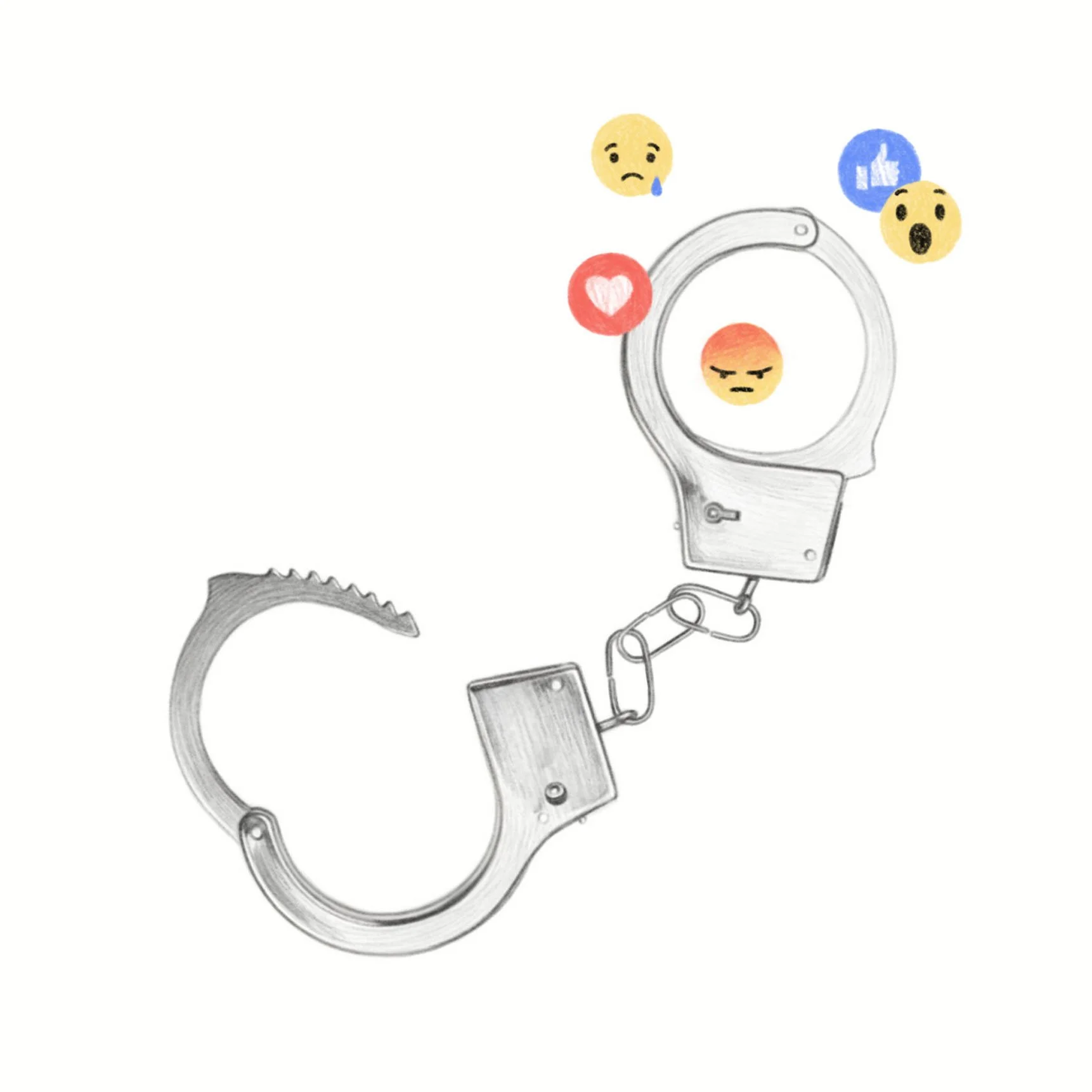
By far the most egregious phenomenon I’ve seen on social media to date is the idea of rage baiting. Creators have found that when all their good will and positive intentions fail, they can always resort to sparking rage in their viewers to cultivate attention and engagement through posting things that create a sense of outrage. They tend to use themes surrounding overconsumption, poor nutrition, child abuse, hygiene, and animal welfare to spur angry reactions and comments; The idea that “there’s no such thing as bad publicity” in short content form. Meta weights the anger reaction button as 5x more engaging in their algorithm than the like reaction, as eliciting anger keeps the viewer more engaged and scrolling for longer. In this way, Meta is purposefully encouraging discourse and anger on their platforms in order to serve their profits. It’s no wonder the comment sections on their sites have become so oversaturated with negativity, arguing, and rage.
The far-reaching social impacts of these digital networks is innumerable, effectively contributing to a post-truth world where no one knows what’s actually true anymore. We don’t know who is telling the truth, trying to scam us, sell to us, or get us to believe something that may benefit a certain narrative. This makes it all the more important for us to take responsibility for our time spent on social media, and pay witness to the ways it’s had a negative impact on our collective wellbeing. Disengaging and decentralizing social media platforms from our daily lives is key. I’ve heard plenty of people say that Facebook is the only way they stay in contact with their family, they couldn’t possibly delete it…but I think it’s time that we find creative ways to stay connected in order to take back our autonomy. There is nothing more intrinsic to being human than simple communion and conversation, and we certainly don’t need computers to achieve that.